Atlatl
An atlatl or spear-thrower is a tool that uses leverage to achieve greater velocity in dart or javelin-throwing, and includes a bearing surface which allows the user to store energy during the throw.
It may consist of a shaft with a cup or a spur at the end that supports and propels the butt of the spear. It's usually about as long as the user's arm or forearm. The user holds the spear-thrower in one hand, gripping near the end farthest from the cup. The user puts the butt end of the spear, or dart, in the cup, or grabs the spur with the end of the spear. The spear is much longer than the thrower. The user holds the spear parallel to the spear-thrower and going in the other direction. The user can hold the spear, with the index and thumb, with the same hand as the thrower, with the other fingers. The user reaches back with the spear pointed at the target. Then they make an overhand throwing motion with the thrower while letting go of the spear with the fingers.
The dart is thrown by the action of the upper arm and wrist. The throwing arm together with the atlatl acts as a lever. The spear-thrower is a low-mass, fast-moving extension of the throwing arm, increasing the length of the lever. This extra length allows the thrower to impart force to the dart over a longer distance, thus imparting more energy and higher speeds.
Common modern ball throwers (such as molded plastic arms used for throwing tennis balls for dogs to fetch) use the same principle.
A spear-thrower is a long-range weapon and can readily impart to a projectile speeds of over 150 km/h (93 mph).
Spear-throwers appear very early in human history in several parts of the world, and have survived in use in traditional societies until the present day, as well as being revived in recent years for sporting purposes. In the United States, the Nahuatl word atlatl is often used for revived uses of spear-throwers (or the Mayan word hul'che); in Australia, the Dharug word woomera is used instead.
The ancient Greeks and Romans used a leather thong or loop, known as an ankule or amentum, as a spear-throwing device. The Swiss arrow is a weapon that works similarly to amentum.
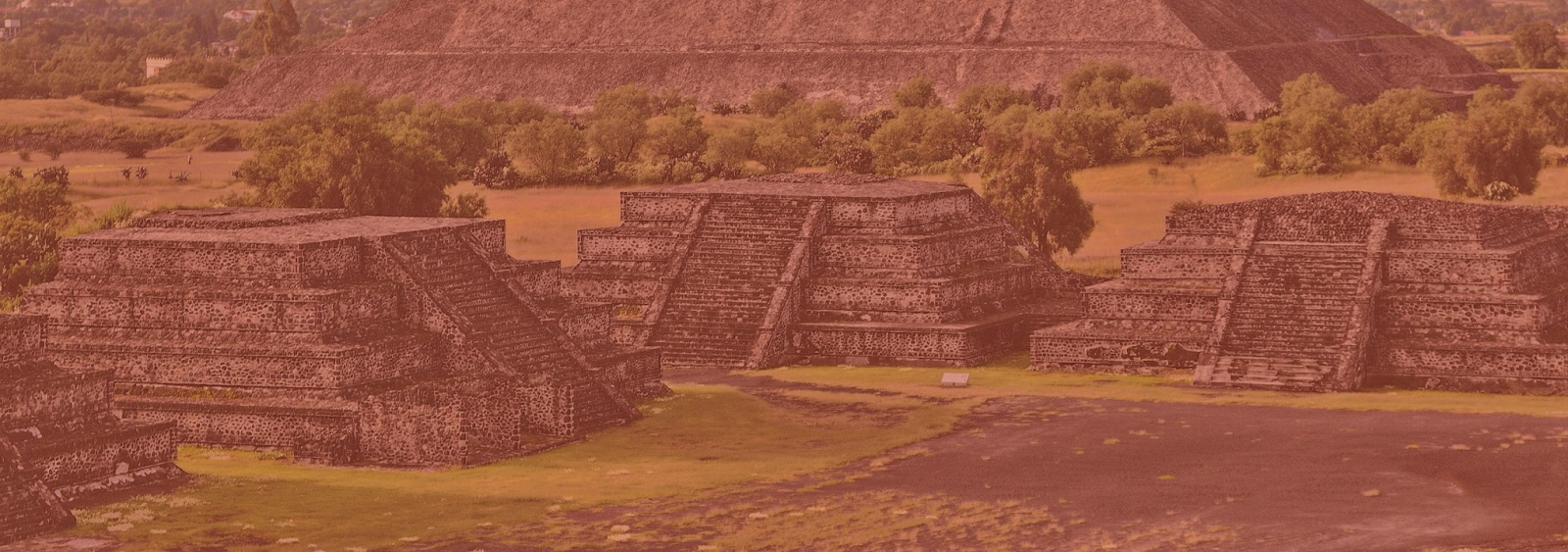
The spear-thrower was used by early Americans as well. It may have been introduced to America during the immigration across the Bering Land Bridge,[citation needed] and despite the later introduction of the bow and arrow,[citation needed] atlatl use was widespread at the time of first European contact.[citation needed] Atlatls are represented in the art of multiple pre-Columbian cultures, including the Basketmaker culture in the American Southwest, Maya in the Yucatán Peninsula, and Moche in the Andes of South America. Atlatls were especially prominent in the iconography of the warriors of the Teotihuacan culture of Central Mexico. A ruler from Teotihucan named Spearthrower Owl is an important figure described in Mayan stelae. Complete wooden spear-throwers have been found on dry sites in the western United States and in waterlogged environments in Florida and Washington. Several Amazonian tribes also used the atlatl for fishing and hunting. Some even preferred this weapon over the bow and arrow, and used it not only in combat but also in sports competitions.
As well as its practical use as a hunting weapon, it may also have had social effects. John Whittaker, an anthropologist at Grinnell College, Iowa, suggests the device was a social equalizer in that it requires skill rather than muscle power alone. Thus women and children would have been able to participate in hunting.[6]
Whittaker said the stone-tipped projectiles from the Aztec atlatl were not powerful enough to penetrate Spanish steel plate armor, but they were strong enough to penetrate the mail, leather and cotton armor that most Spanish soldiers wore.[10] Whittaker said the Aztecs started their battles with atlatl darts followed with melee combat using the macuahuitl.[10]