This is an old revision of the document!
Table of Contents
Quetzalcoatl
(Also Quetzalcouatl, Quetzalcohuatl)
Quetzalcoatl (Quetzal-Feather Serpent)1) is a central God in both historical and modern worship. Among the Aztecs, He is related to wind, Venus, Sun, merchants, arts, crafts, knowledge, and learning. He was also the patron god of the Aztec priesthood.
Iconography
Timeline
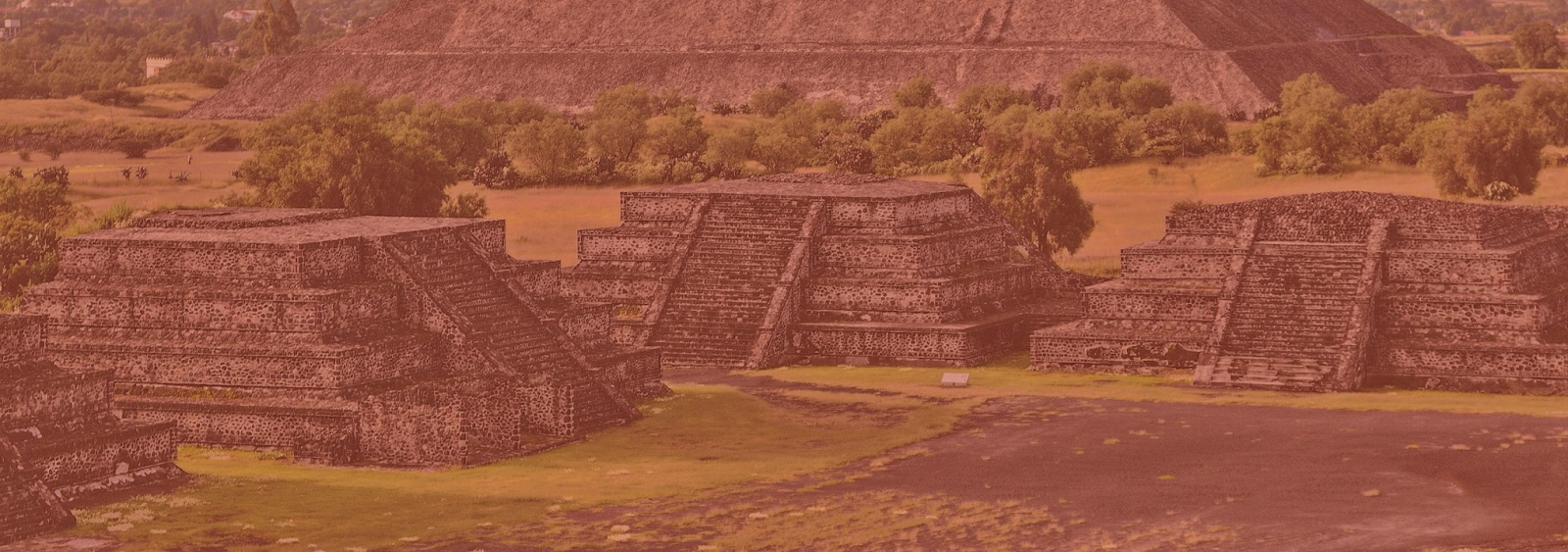
The earliest known documentation of the worship of a Feathered Serpent occurs in Teotihuacan in the first century BC or first century AD. That period lies within the Late Preclassic to Early Classic period (400 BC – 600 AD) of Mesoamerican chronology; veneration of the figure appears to have spread throughout Mesoamerica by the Late Classic period (600–900 AD). In the Postclassic period (900–1519 AD), the worship of the feathered-serpent deity centered in the primary Mexican religious center of Cholula. In this period the deity is known to have been named Quetzalcōhuātl by his Nahua followers. In the Maya area he was approximately equivalent to Kukulkan and Gukumatz, names that also roughly translate as “feathered serpent” in different Mayan languages. In the era following the 16th-century Spanish conquest of the Aztec Empire, a number of records conflated Quetzalcoatl with Ce Acatl Topiltzin, a ruler of the mythico-historic city of Tollan. Historians debate to what degree, or whether at all, these narratives about this legendary Toltec ruler describe historical events. Furthermore, early Spanish sources written by clerics tend to identify the god-ruler Quetzalcoatl of these narratives with either Hernán Cortés or Thomas the Apostle—identifications which have also become sources of a diversity of opinions about the nature of Quetzalcoatl.